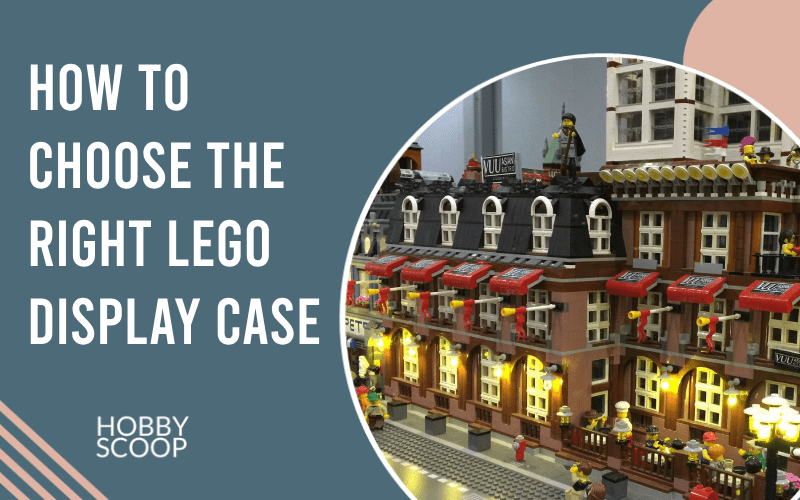
You’ve spent hours building that incredible LEGO set—now what? Shoving it in a corner or leaving it on a dusty shelf doesn’t do justice to your work. The right display setup transforms your builds from clutter into conversation pieces, turning any room into a personal gallery that shows off your passion.
The quick answer: The best LEGO display solutions include floating shelves for wall-mounted showcases, IKEA display cabinets (especially the DETOLF and VITTSJÖ) for dust-free presentation, LED lighting to highlight details, and themed arrangements that group builds by style or color. Your approach should match both your space constraints and collection size.
Why Display Matters More Than You Think
In my experience, how you display LEGO dramatically affects how you (and others) perceive your hobby. A carefully arranged display communicates intention and pride. Sets stuffed haphazardly on random surfaces suggest accumulation rather than curation. The difference isn’t just aesthetic—it changes how much enjoyment you get from your collection between builds.
Great displays also protect your investment. Dust, sunlight, and curious hands are the enemies of LEGO builds. Thoughtful display solutions address all three while keeping sets accessible enough that you’ll actually look at them.
Wall-Mounted Display Solutions
Floating Shelves: The Classic Approach
Floating shelves remain the most versatile LEGO display option. They work in virtually any room, scale with your collection, and range from budget-friendly to premium. The key is choosing the right depth—most LEGO sets need at least 6-8 inches, with larger Technic or UCS models requiring 10-12 inches.
What works well:
- IKEA LACK shelves (affordable, clean look, various sizes)
- MOSSLANDA picture ledges (great for minifigure displays)
- Custom-cut wooden shelves (can match exact depths needed)
Arrange shelves with varying heights between them to accommodate different set sizes. Leave breathing room between builds—cramped displays look cluttered regardless of shelf quality.
Wall-Mounted Cases: The Premium Option
For serious collectors, wall-mounted display cases offer dust protection without sacrificing visibility. Brands like Wicked Brick and iDisplayit create cases specifically sized for popular LEGO sets, complete with mounting hardware and sometimes integrated lighting.
The investment pays off for sets you want to protect long-term—especially retired sets that can’t be rebuilt if damaged. The UCS Millennium Falcon, for example, deserves better than open-shelf dust accumulation.
Creative Wall Solutions
HUYL (Hang Up Your LEGO) offers a unique approach: wall mounts that turn sets into framed art. The system works particularly well for flat-backed builds like vehicles or spacecraft that look dramatic displayed at angles. It’s a conversation starter that most visitors won’t immediately recognize as LEGO from across the room.
Freestanding Display Options
The IKEA DETOLF: A Community Favorite
Ask any LEGO display veteran about budget-friendly glass cabinets, and the IKEA DETOLF comes up immediately. At around $70, this glass-doored cabinet offers four shelves of dust-protected display space in a slim footprint. The transparent design makes sets visible from multiple angles.
DETOLF tips from experienced builders:
- Add extra shelves using acrylic risers or custom glass cuts
- Install LED strip lights along the back edges for dramatic effect
- Line the base with felt or foam to prevent scratching
- Consider multiple units side-by-side for larger collections
The VITTSJÖ: Modern Industrial Look
For a more open aesthetic, IKEA’s VITTSJÖ shelf unit offers metal-and-glass construction that complements modern interiors. It doesn’t offer dust protection but provides excellent visibility and easy access for sets you rotate frequently.
Bookcases and Entertainment Centers
Don’t overlook existing furniture. Billy bookcases, Kallax units, and even entertainment centers can become LEGO showcases with minor modifications. Remove or reposition standard shelves to accommodate taller sets, and consider adding glass doors (available aftermarket for many IKEA units) for dust protection.
Lighting Your LEGO Display
Lighting transforms good displays into great ones. The right illumination highlights details, creates atmosphere, and makes colors pop. Here’s what works:
LED Strip Lights
Inexpensive LED strips along shelf backs or cabinet edges provide even illumination that makes sets glow. Choose warm white (2700-3000K) for a cozy feel or cool white (5000-6000K) for crisp, museum-style lighting. Many strips include remote controls for color changes if you want versatility.
Spotlight Accents
For statement pieces, small spotlights create dramatic focal points. Position them above and slightly in front of sets for the most flattering angles. This works especially well for UCS displays or MOCs you’re particularly proud of.
Brick-Built Lighting
Several companies now make LEGO-compatible LED kits designed for specific sets. Light My Bricks and Briksmax offer kits that add working lights to buildings, vehicles, and spacecraft. The effect can be stunning, though installation requires patience.
Room-by-Room Display Ideas
Living Room Displays
Living rooms demand displays that complement existing décor. Glass cabinets work well here because they look intentional rather than like hobby overflow. Consider these approaches:
- Behind glass: DETOLF or similar cabinets near seating areas
- Architectural integration: Built-in shelving with sets as accent pieces
- Statement pieces: Large UCS sets on dedicated pedestals or accent tables
Keep living room displays curated rather than comprehensive. A few impressive sets displayed beautifully trumps every set you own crammed together.
Home Office Displays
Office spaces offer more flexibility for hobby displays. Floating shelves above desks, dedicated display cabinets, or even LEGO “building zones” all work well. The home office is often where collections can grow most freely without competing with household aesthetics.
Consider organizing office displays thematically—Star Wars ships near your Star Wars posters, vehicles on dedicated automotive shelving. The coherence makes larger collections feel intentional.
Bedroom Displays
Bedroom LEGO displays require dust protection consideration—bedroom air circulation tends to accumulate dust quickly. Enclosed cases or cabinets work better here than open shelving. Wall-mounted options also free up floor space in smaller bedrooms.
Kids’ Rooms and Play Areas
For family collections, prioritize accessibility over protection. Kids need to reach their sets, and occasional rebuilding is part of the fun. Open shelving at kid-height, TROFAST-style bins for pieces, and dedicated building surfaces beat museum-style displays for active builders.
Organizing by Theme vs. Color
How you arrange sets within your display changes the overall effect dramatically:
Theme-Based Arrangement
Grouping by theme (all Star Wars together, all city buildings together) creates mini-dioramas that tell stories. It works especially well if you’ve collected deeply in specific themes. Your LEGO Star Wars starships form a fleet; your Modulars create a city block.
Color-Based Arrangement
Arranging by dominant color creates striking visual effects—gradients across shelves, clusters of complementary colors. This approach prioritizes aesthetics over narrative but can be stunning in modern interiors.
Size-Based Arrangement
Sometimes practical constraints drive arrangement. Taller sets on bottom shelves (more stable, easier to view from above), smaller sets at eye level (easier to appreciate detail). This approach maximizes space efficiency in limited display areas.
Protecting Your Display
Dust Prevention
Enclosed cases solve dust entirely but limit interaction. For open displays:
- Regular dusting with soft brushes (makeup brushes work well)
- Compressed air for intricate areas
- Positioning away from high-traffic areas that stir up dust
- Regular cleaning schedules before dust accumulates heavily
Sunlight Damage
UV exposure fades colors over time—particularly whites, which yellow, and blues, which fade. Position displays away from direct sunlight, or use UV-filtering window film in sunny rooms. The damage is cumulative and irreversible, so prevention matters.
Physical Protection
Pets, curious children, and earthquake zones all pose risks. Secured display cases, museum putty for set bases, and strategic height all help. For truly irreplaceable builds, enclosed wall-mounted cases eliminate most physical risks.
Common Display Mistakes to Avoid
Overcrowding
The biggest mistake I see is cramming too many sets into too little space. Each set needs breathing room to be appreciated. If your display looks cluttered, remove sets until it doesn’t—then stop adding until you expand your display space.
Poor Height Placement
Eye-level is prime display real estate. Use it for your favorites or most detailed builds. Very high or very low shelving becomes storage more than display—you won’t look at those sets as often.
Ignoring Backgrounds
What’s behind your LEGO matters. Busy patterns compete with sets visually. Plain backgrounds in neutral colors (white, gray, black) let your builds be the focus. Some collectors add themed backdrops to display sections for extra immersion.
Inconsistent Lighting
Mixing lighting temperatures or leaving some areas dark while others are lit creates visual confusion. Aim for consistent illumination across your entire display, even if some areas are brighter than others.
Budget Display Solutions
Great displays don’t require major investment:
- Under $50: IKEA LACK floating shelves, repurposed bookcases, LED strip lights
- Under $100: DETOLF cabinet, VITTSJÖ shelf unit, custom shelf systems
- Under $250: Multiple cabinet setup, professional lighting, wall-mounted cases
Start simple and expand as your collection grows. Better to have well-displayed core sets than mediocre display of everything you own.
Frequently Asked Questions
What’s the best way to display large UCS sets?
Large UCS sets need dedicated space with appropriate weight support. Reinforced floating shelves, sturdy table surfaces, or floor display on dedicated pedestals all work. The UCS Millennium Falcon (over 7,500 pieces) needs support across its entire base—never rely on a single shelf bracket for sets this heavy.
How do I display LEGO without it looking like a kids’ room?
Sophisticated display is about curation and context. Use adult-oriented display furniture (glass cabinets, floating shelves with clean lines), limit visible builds to your best pieces, add proper lighting, and integrate displays with existing décor rather than making LEGO the room’s entire identity.
Should I display built sets or keep them boxed?
Unless you’re specifically collecting sealed sets for investment, display what you build. The joy of LEGO is the finished model—keeping sets boxed denies you that enjoyment. Even valuable retired sets gain meaning from display.
How do I stop my LEGO display from getting dusty?
Enclosed display cases eliminate the problem entirely. For open displays, regular maintenance (weekly dusting) prevents buildup. Position displays away from HVAC vents and high-traffic areas that stir up particles. Compressed air helps clean intricate builds without disassembly.
Can I display LEGO in a bathroom?
Humidity is the enemy—bathroom environments can cause mold on instructions and potentially affect certain plastic types over time. If you must display LEGO in humid environments, use fully sealed cases with silica gel packets to control moisture.
What’s the best display solution for someone who rebuilds sets often?
Prioritize accessibility over protection if you rotate builds frequently. Open shelving lets you swap sets easily. Consider a “featured display” area for current builds and storage for sets awaiting their turn—keeping everything displayed permanently becomes overwhelming.
Taking Your Display Further
Once your basic display is sorted, consider these enhancements:
- Custom nameplates: Small labels add museum quality to displays
- Themed backgrounds: Printed or painted backdrops for immersive scenes
- Rotating displays: Motorized turntables let sets be appreciated from all angles
- Integration with other collectibles: LEGO alongside related memorabilia creates cohesive collections
Your display can evolve as your collection grows. What starts as a single shelf becomes a dedicated room for some collectors. The key is making each stage feel intentional rather than chaotic.
Final Thoughts
Great LEGO displays aren’t about spending the most money—they’re about thoughtful presentation that matches your space, collection, and aesthetic preferences. Start with one well-executed display area before expanding. Quality beats quantity every time.
Whether you have three sets or three hundred, displaying them properly amplifies the joy of collecting. Your builds deserve to be seen, appreciated, and protected. The right display solution makes that happen.
If you’re still building your collection, check out our guides on the best LEGO car sets or explore why adults are embracing LEGO for set recommendations worth displaying. And once you have more sets, you’ll want a solid LEGO organization system to keep track of everything.