The best cooperative board games bring players together as a team, creating shared victories (and nail-biting defeats) that competitive games simply can’t match. Whether you’re looking for a quick co-op card game or an epic campaign adventure, there’s something special about winning—or losing—together. We’ve rounded up the top cooperative board games for families, couples, and gaming groups who prefer teamwork over rivalry.
Our Top Picks
If you’re short on time, here are our favorite cooperative board games based on gameplay depth, replayability, and accessibility.

Slay The Spire: The Board Game
1-4 Players | 45-150 min | Deck Building | Co-op
The hit video game brilliantly adapted to tabletop—build your deck, battle monsters, and conquer the Spire together.

2-4 Players | 45 min | Strategy | Family-Friendly
The gold standard of cooperative games—race against time to cure four diseases threatening humanity.

2-5 Players | 20 min | Trick-Taking | Travel-Friendly
An award-winning cooperative trick-taking game with 96 missions that’s small enough to take anywhere.

2 Players | 15 min | Dice Placement | Co-op
2024’s Spiel des Jahres winner—land planes together without talking in this tense two-player gem.
What Makes a Great Cooperative Board Game?
Not all co-op games are created equal. The best ones strike a balance between meaningful teamwork and individual agency—everyone should feel like their decisions matter, not just the loudest player at the table (we’re looking at you, quarterbacking). We looked for games with:
- Genuine cooperation: Mechanics that encourage discussion without one person running the show
- Satisfying tension: That edge-of-your-seat feeling when victory hangs in the balance
- Replayability: Variable setups, scenarios, or difficulty levels to keep things fresh
- Accessible rules: Easy enough to teach, deep enough to master
Below you’ll find quick co-ops you can finish in 20 minutes and sprawling campaign games that’ll consume your weekends. Let’s dive in.
1. Slay The Spire: The Board Game
Slay The Spire: The Board Game is the tabletop adaptation of the beloved roguelike video game, and it’s nothing short of phenomenal. Players choose one of four unique characters—each with their own starting deck and abilities—and work together to battle monsters, collect relics, and ascend the Spire. If any player’s health drops to zero, it’s game over for everyone.
What makes this game absolutely shine is how perfectly it captures the video game’s “just one more run” addiction. The deck-building is tight and satisfying—every card you add feels meaningful, and watching your synergies come together is incredibly rewarding. The enemy AI is clever without being unfair, creating genuine puzzle-like combat encounters that require real teamwork to solve.
The game plays great at all counts from 1-4, though 2-3 players hits the sweet spot of engagement without downtime. Solo mode is equally excellent if you want to tackle the Spire alone. The campaign structure means you’ll face different paths and enemies each time, and the high difficulty ensures those victories feel earned.
The only catch? Games can run long (up to 2.5 hours for a full run), and the learning curve is steeper than casual co-ops. But for gamers who love deep strategy and deck-building, this is simply the best cooperative experience you can buy right now.
2. Pandemic
Pandemic is the game that brought cooperative board gaming into the mainstream, and it still holds up remarkably well. Players take on specialized roles—Medic, Scientist, Researcher, and more—working together to contain and cure four deadly diseases before they overwhelm the world. It’s tense, it’s thematic, and it’s endlessly replayable.
The genius of Pandemic lies in its elegant design. On your turn, you take four simple actions: move, treat disease, share knowledge, or discover a cure. But the escalating infection deck and dreaded Epidemic cards create mounting tension that forces constant adaptation. You’ll need to balance immediate fires with long-term planning, and that requires genuine teamwork.
Pandemic works beautifully for families and new gamers—the rules take about 10 minutes to explain, but the strategic depth keeps experienced players engaged. The variable player powers mean no two games play quite the same, and adjustable difficulty levels let you dial in the challenge.
Some groups find Pandemic susceptible to “alpha gamer” syndrome, where one experienced player dictates everyone’s moves. If that’s a concern for your group, consider the Legacy versions or Pandemic: Hot Zone for built-in solutions. But for most, this remains an essential cooperative experience.
3. Spirit Island
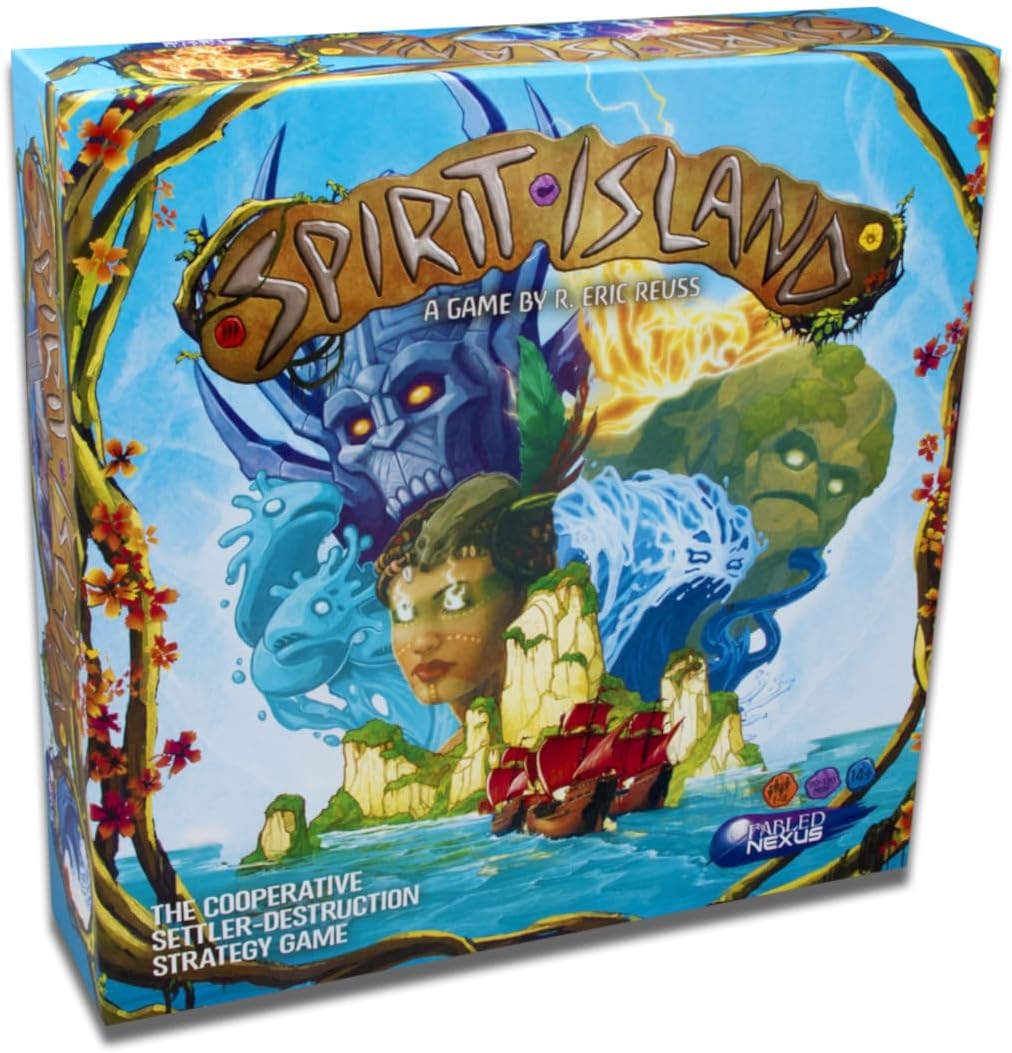
Spirit Island flips the colonization narrative on its head: you play as elemental spirits defending your island from invaders. It’s thematically refreshing, strategically deep, and arguably the most brain-burning cooperative game on this list. Each spirit plays completely differently, from the aggressive Lightning’s Swift Strike to the defensive Vital Strength of the Earth.
What sets Spirit Island apart is the sheer depth of its decision-making. You’ll simultaneously manage slow and fast powers, position presence tokens, work with your fellow spirits’ abilities, and anticipate where invaders will strike next. The planning phase where everyone discusses their moves is genuinely collaborative—there’s too much going on for any one player to quarterback.
The game excels at 2 players but scales well to 4. Solo play is fantastic for learning the intricate spirit powers. With 8 spirits in the base game (and more in expansions), plus multiple adversary types and scenarios, replayability is nearly endless.
Fair warning: Spirit Island has a steep learning curve. Your first few games will feel overwhelming, and even experienced gamers need several plays to grasp the timing nuances. But if your group craves complex, crunchy co-op experiences, Spirit Island delivers like nothing else.
4. The Crew: Mission Deep Sea
The Crew: Mission Deep Sea takes the familiar trick-taking genre and transforms it into a cooperative puzzle. Your team of underwater explorers must complete specific objectives each round—win this card, don’t win that one, collect these in order—all while barely communicating. It’s simple to learn but fiendishly clever.
The limited communication is what makes The Crew special. You can only share one piece of information per round using special tokens, so you’re constantly trying to read your teammates’ intentions from their plays. When a plan comes together through silent understanding, it feels magical.
With 96 missions of escalating difficulty, there’s a ton of content in this tiny box. The game plays in about 20 minutes per session, making it perfect for lunch breaks or warm-up games before bigger experiences. It works at 2-5 players, though 3-4 is ideal.
The Crew won the Kennerspiel des Jahres (Germany’s expert game award) for good reason—it’s incredibly innovative while remaining accessible. The only downside is you need a group familiar with trick-taking concepts; complete novices might struggle with the base mechanics.
5. Arkham Horror: The Card Game
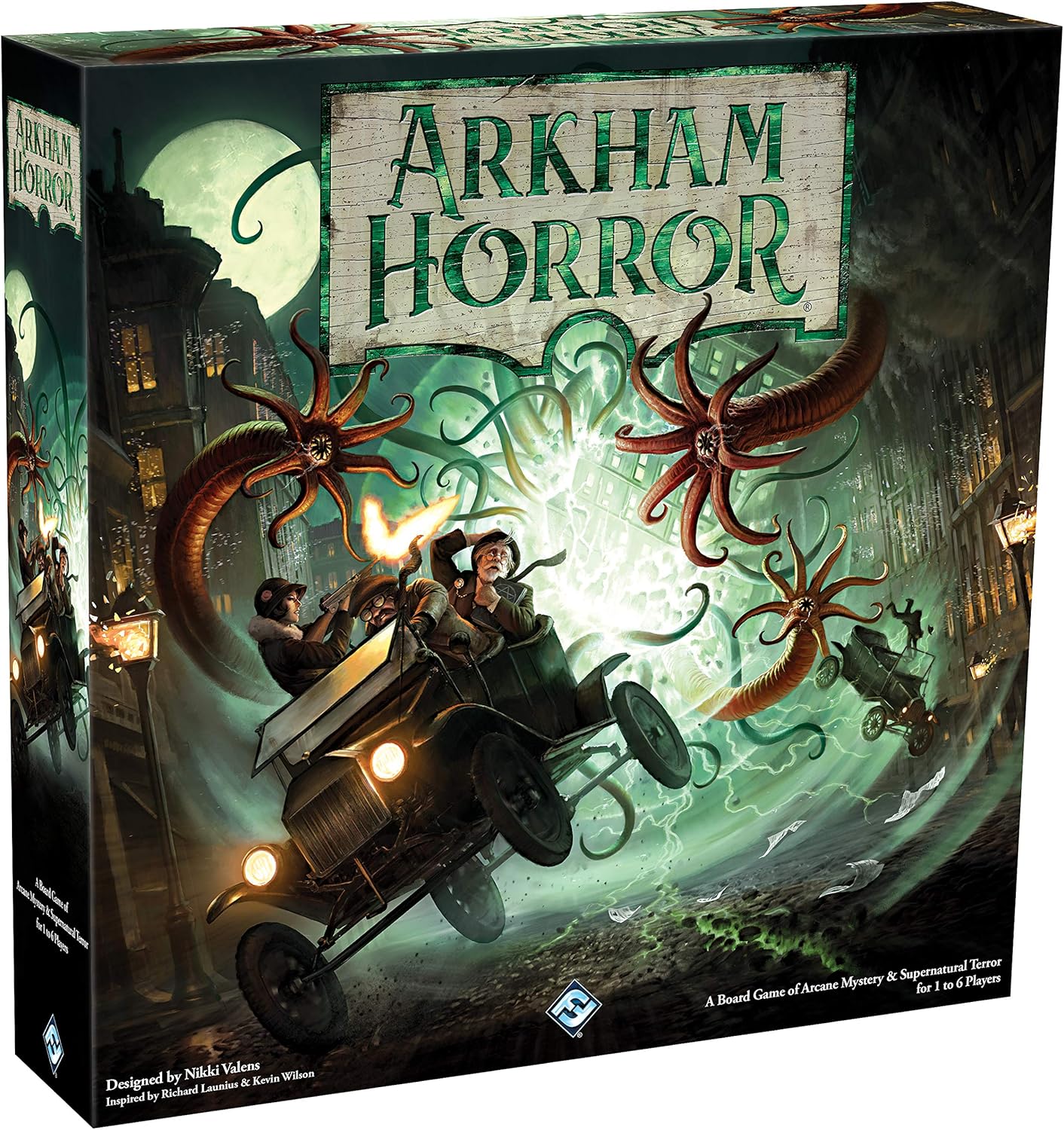
Arkham Horror: The Card Game is an immersive narrative experience wrapped in a tight deck-building system. You play as investigators exploring Lovecraftian mysteries, making choices that genuinely affect the story’s outcome. Deaths carry over between scenarios. Victories unlock new options. It’s cooperative gaming meets choose-your-own-adventure.
The core box includes a complete three-scenario campaign that serves as an excellent introduction. Each investigator has unique deck-building restrictions and abilities, encouraging you to specialize and work together. Combat, investigation, and evasion all feel meaningful, and the chaos bag mechanic (drawing tokens to determine success) creates constant tension.
Arkham Horror shines brightest at 2 players, where each investigator gets enough screen time without downtime dragging. Solo play using two investigators is equally compelling for the narrative experience.
The catch? This is a Living Card Game, meaning there are dozens of expansion campaigns to purchase. You can absolutely enjoy just the core box, but the real magic happens in the longer campaign arcs. Budget accordingly.
6. Gloomhaven: Jaws of the Lion

Gloomhaven: Jaws of the Lion is the perfect entry point into the Gloomhaven universe. It’s a cooperative dungeon-crawling campaign with tactical card-driven combat, persistent character progression, and an integrated tutorial that teaches as you play. At roughly half the price and setup time of the original Gloomhaven, it’s the accessible version everyone asked for.
The combat system is the star here. Instead of dice, you play two cards each turn—one for the top action, one for the bottom. Managing your hand and knowing when to rest creates genuine tactical puzzles that evolve as your character levels up and unlocks new abilities.
The campaign spans 25 scenarios with branching paths and meaningful choices. Four unique characters offer distinct playstyles, and the scenario book doubles as the game board, dramatically reducing setup time compared to its big sibling.
Jaws of the Lion works great at 2-4 players, with 2 being the sweet spot for campaign engagement. Solo play with two characters is viable but requires more mental juggling. The only real downside is that it ends—once you finish the campaign, you’ll probably want to move on to full Gloomhaven or Frosthaven.
7. Forbidden Desert

Forbidden Desert is the survival adventure that launched a thousand family game nights. Stranded in a sandstorm, your team must excavate a buried flying machine and escape before you die of thirst or get buried alive. It’s accessible, tense, and just the right length for younger players.
The shifting sand tiles create a dynamic puzzle that changes every turn. You’ll need to balance exploring for ship parts, managing your dwindling water supply, and avoiding the roaming storm. Different roles give each player unique abilities, encouraging discussion about who should do what.
Designer Matt Leacock (of Pandemic fame) knows how to create escalating tension, and Forbidden Desert delivers that in a more family-friendly package. The 30-45 minute playtime keeps it from overstaying its welcome, and the difficulty scales smoothly.
Forbidden Desert excels with families and casual gamers. It’s simpler than Pandemic and more forgiving than Spirit Island, making it an ideal gateway co-op. Just don’t expect the same strategic depth—this is designed to be accessible first.
8. Sky Team
Sky Team won the 2024 Spiel des Jahres (Game of the Year) and it’s easy to see why. You and your partner play as pilot and co-pilot, working together to land a plane—but you can’t communicate about your dice placements. It’s a tense, focused two-player experience that creates genuine “hold your breath” moments.
Each round, you simultaneously roll and secretly assign four dice to different airplane systems: engines, landing gear, flaps, radio, and more. Only when both players reveal their choices do you see if your combined efforts keep the plane on course or send it into catastrophe. The anxiety of watching your partner’s dice flip over never gets old.
The base game includes multiple airports with increasing difficulty and unique challenges. Want crosswinds? Engine failures? Real-world airport layouts? Sky Team has scenarios for everything. A full game takes only 15-20 minutes, perfect for couples’ game nights or quick sessions.
The only limitation is the strict two-player count—there’s no variant for more players or solo. But for couples or gaming partners, Sky Team is absolutely essential.
How to Choose the Right Cooperative Board Game
With so many excellent options, here’s how to narrow down your choice:
- For families with kids: Start with Forbidden Desert or Pandemic. Both have approachable rules and engaging themes.
- For couples: Sky Team is unbeatable at two players. The Crew also excels with two if you prefer cards.
- For serious gamers: Spirit Island or Slay The Spire offer the deepest strategic experiences.
- For campaign play: Gloomhaven: Jaws of the Lion or Arkham Horror provide ongoing progression and narrative.
- For quick sessions: The Crew or Sky Team wrap up in 20 minutes without sacrificing satisfaction.
FAQs About Cooperative Board Games
What’s the best cooperative board game for beginners?
Pandemic or Forbidden Desert are ideal starting points. Both teach cooperative concepts clearly and play in under an hour.
Can cooperative games be played solo?
Many can! Slay The Spire, Spirit Island, Arkham Horror, and Gloomhaven all have excellent solo modes. Pandemic works solo by controlling multiple roles.
How do you prevent one player from controlling everything?
Games with hidden information (like The Crew) or simultaneous action selection (like Sky Team) naturally prevent quarterbacking. Complex games like Spirit Island also give each player enough to manage on their own.
What’s the difference between cooperative and semi-cooperative games?
Pure co-ops have everyone win or lose together. Semi-cooperative games may have hidden traitors or competitive victory conditions—games like Dead of Winter or Battlestar Galactica.
Are cooperative games less competitive?
You’re competing against the game rather than each other. The tension comes from the mounting challenge, not from outmaneuvering your friends.
Final Thoughts
The best cooperative board games create shared experiences you’ll talk about long after the box is closed. Whether it’s the nail-biting finish of a Pandemic game, the satisfying synergy of a well-built Slay The Spire deck, or the silent triumph of a successful Sky Team landing, these are the moments that make tabletop gaming special.
Our top recommendation? Slay The Spire: The Board Game for groups who love deck-building and don’t mind longer sessions. For something quicker and more accessible, The Crew: Mission Deep Sea packs incredible value into a tiny box. And couples absolutely need Sky Team in their collection.
Now gather your teammates and start planning your next victory together.