You’re staring at two building block sets—one LEGO, one Mega Bloks—and wondering whether the price difference is actually justified. The Mega Bloks vs LEGO debate has raged among parents and builders for years, and it’s easy to see why. Is LEGO really that much better, or is it just paying for the brand? After building extensively with both brands over the past several years, I can tell you the differences are real, but they might not matter the way you think.
The quick answer: LEGO bricks offer superior manufacturing precision, better clutch power (how tightly pieces connect), and more consistent quality. Mega Bloks costs significantly less and has improved dramatically in recent years. For adults and serious builders, LEGO’s precision matters. For casual play and budget-conscious families, Mega Bloks delivers solid value. The brands are partially compatible, though mixing them has limitations.
A Brief History: Two Brands, Two Philosophies
Understanding where these brands come from helps explain why they’re different today.
LEGO was founded in 1932 by Ole Kirk Christiansen in Billund, Denmark. The company started with wooden toys before introducing the iconic interlocking plastic brick system in 1949. By the time LEGO Duplo launched in 1969, the brand had already spent decades perfecting its manufacturing process. That head start matters—LEGO has over 90 years of experience refining brick precision.
Mega Bloks entered the market in 1967, founded in Montreal, Canada by Victor and Marc Bertrand. Originally focused on larger blocks for younger children, the brand carved out a niche that LEGO hadn’t fully addressed. Mattel acquired Mega Brands (Mega Bloks’ parent company) in 2014, bringing significant resources and licensing power to the table.
One important naming note: you’ll sometimes see “Mega Construx” alongside “Mega Bloks.” They’re the same company. Mega Bloks refers to the larger brick sets designed for toddlers (ages 1-5), while Mega Construx is the line targeting older kids and adults with standard-sized bricks. Both fall under Mattel’s Mega brand umbrella.
The Core Differences You’ll Actually Notice
Build Quality and Manufacturing Tolerances
This is where LEGO truly justifies its premium. LEGO bricks are manufactured to tolerances of 2 micrometers—that’s 0.002 millimeters. This precision means every brick connects with consistent pressure, stays firmly attached during play, and separates cleanly when you want it to.
Mega Bloks has improved significantly over the years, but their tolerances remain looser. In my experience, you’ll notice this most with:
- Connection strength: LEGO clicks together with a satisfying firmness. Mega Bloks can feel either too tight or too loose on individual pieces.
- Build stability: Large LEGO structures hold together better. Mega Bloks builds may shed pieces more easily when handled.
- Brick separation: LEGO pieces come apart smoothly. Mega Bloks can bind or separate unevenly.
Color Consistency
LEGO maintains remarkably consistent colors across decades. A red brick from 1990 matches one from 2026. Mega Bloks shows more variation—bricks from different batches may have slightly different shades. For casual building this rarely matters, but for display-focused builders or those creating large single-color sections, LEGO’s consistency is noticeable.
That said, Mega Bloks offers some unique color options you won’t find in LEGO’s palette. Their metallic and camo bricks add a distinctive flair—particularly in their Halo and Call of Duty lines—that LEGO simply doesn’t offer.
Piece Warping
Flat LEGO plates lie flat. This sounds obvious, but achieving it requires premium ABS plastic and precise manufacturing. Mega Bloks plates sometimes have subtle warps that become apparent in large flat sections—think baseplates or wide platform builds.
Mega Bloks vs LEGO: Instruction Quality and Building Experience
One aspect of the Mega Bloks vs LEGO comparison that often gets overlooked is the actual building experience—from unboxing to finished model. Both brands provide step-by-step instruction booklets, but the approaches differ in meaningful ways.
LEGO instructions are widely considered the gold standard in the construction toy world. Each step adds only a few pieces, color-coded against a grey background so you can instantly see what’s new. LEGO also numbers their bags, so you’re not hunting through 1,000+ pieces for a tiny 1×1 plate. For complex Technic or Creator Expert sets, this organization is a lifesaver.
Mega Bloks/Mega Construx instructions have improved considerably since Mattel took over, but they can still be less intuitive. Bag numbering is inconsistent across product lines, and some steps combine more pieces than LEGO typically would. For younger builders, this can mean more frustration and more requests for adult help.
The tactile experience also differs. Pressing a LEGO brick into place produces a clean, consistent “click” that tells you the connection is secure. Mega Bloks can require slightly more force for some pieces and less for others, making it harder to know by feel whether a brick is fully seated. Experienced builders adapt quickly, but children notice the inconsistency.
That said, Mega Construx’s licensed sets—particularly the Pokémon and Halo lines—feature creative building techniques and unique piece designs that can feel genuinely refreshing if you’re used to LEGO’s approach. The finished Mega Construx models often have a slightly different aesthetic that collectors appreciate.
Minifigures: A Surprisingly Big Difference
One area that rarely gets discussed in depth is the figures that come with each brand’s sets—and honestly, this matters more than most people realize.
LEGO minifigures are iconic. Their blocky, stylized look is instantly recognizable. The key advantage? They’re fully interchangeable. You can swap heads, torsos, legs, hair, hats, and accessories between any LEGO minifigures. This creates enormous creative possibilities—kids love mixing and matching to create custom characters.
Mega figures take a different approach. They feature articulated joints at the shoulders, elbows, hips, and knees, allowing much more realistic posing. For display builds, this extra articulation creates more dynamic scenes. However, Mega figures are typically single-mold designs that don’t easily mix and match between sets.
Neither approach is objectively better—it depends on how you play. Kids who love creating custom characters will prefer LEGO’s system. Collectors and display builders may appreciate Mega’s articulation. Just know that minifigures and accessories don’t interchange well between brands, so keep your figure ecosystems separate.
Price Comparison: Where Budget Matters
Let’s talk numbers, because the price gap is substantial:
| Factor | LEGO | Mega Bloks |
|---|---|---|
| Average price per piece | $0.10-0.15 | $0.04-0.08 |
| 500-piece set typical cost | $50-75 | $20-40 |
| Bulk brick purchases | $30-40/lb | $10-15/lb |
| Licensed sets premium | +20-40% | +10-25% |
Mega Bloks typically costs 40-60% less than equivalent LEGO products. For families building collections, that difference adds up fast. A child working through building sets might easily amass $500+ in LEGO—or achieve similar creative potential with $200 in Mega Bloks.
Compatibility: Can You Mix Them?
Technically, yes. Both use the same fundamental stud-and-tube connection system with compatible dimensions. A Mega Bloks brick will connect to a LEGO brick. However:
The practical limitations:
- Clutch power varies: The connection between brands is often weaker than within-brand connections
- Height variations: Mega Bloks pieces are sometimes fractionally different heights, causing issues in tall builds
- Specialized pieces: Technic-style components, minifigures, and specialty elements often don’t work between brands
For basic brick building—walls, simple structures, creative freeform play—mixing works fine. For complex builds following instructions, stick to one brand.
Important note: Mega Bloks’ larger toddler-sized bricks are not compatible with LEGO Duplo despite both being “large block” systems. The dimensions differ enough that they won’t connect properly. If you’re buying for a toddler, pick one system and stick with it.
Licensed Themes: Where Mega Bloks Shines
Mega Bloks (now called Mega Construx in some markets) has secured impressive licenses that LEGO doesn’t have:
- Halo: Detailed military-style builds from the video game franchise
- Call of Duty: Action figure and vehicle sets
- Pokémon: Buildable creatures and scene sets
- Masters of the Universe: He-Man and related characters
- Barbie: Dream house and vehicle builds
- Hot Wheels: Buildable car models and tracks
If your child loves one of these franchises, Mega Bloks is your only option. And honestly? These licensed sets have good build quality—the Pokémon line in particular is well-designed and engaging.
LEGO counters with powerhouse licenses including Star Wars, Harry Potter, Marvel, DC Comics, Disney, Minecraft, and Lord of the Rings. For most families, LEGO’s theme library is broader—but Mega’s exclusive licenses fill gaps that matter to specific fanbases.
Resale Value and Investment Potential: Mega Bloks vs LEGO Long-Term
If you’re thinking about building blocks as a long-term investment—or just want to recoup some costs when your kids outgrow them—the Mega Bloks vs LEGO difference is stark.
LEGO sets hold and often appreciate in value. Retired LEGO sets regularly sell for 2-5x their original retail price on secondary markets like BrickLink and eBay. Iconic sets like the LEGO Star Wars UCS Millennium Falcon or modular buildings have become genuine collectibles. Even opened, complete LEGO sets retain significant value because the brick quality stays consistent over decades.
Mega Bloks sets rarely develop collector value. With a few niche exceptions (certain discontinued Halo sets have a small following), Mega Bloks and Mega Construx sets depreciate quickly after purchase. Bulk lots of used Mega Bloks sell for a fraction of what LEGO commands per pound.
Here’s a rough comparison of resale value:
| Resale Factor | LEGO | Mega Bloks |
|---|---|---|
| Used bulk price per lb | $8-12 | $2-4 |
| Retired set appreciation | Often 100-400%+ | Rarely above retail |
| Collector community size | Massive (BrickLink, eBay) | Small, niche |
| Demand for used sets | High | Low to moderate |
This doesn’t mean Mega Bloks is a bad purchase—far from it. The lower upfront cost means you’re spending less to begin with. But if long-term value matters to you, LEGO is the clear winner. For more on LEGO’s appeal to adult collectors and which sets hold value best, see our guide on why adults are embracing LEGO.
Best Brand by Age: A Quick Guide
From my experience watching kids at different stages, here’s when each brand makes the most sense:
| Age Range | Best Choice | Why |
|---|---|---|
| 1-3 years | Either (Mega Bloks First Builders or LEGO Duplo) | Both are safe, durable, and well-designed. Mega Bloks First Builders are often cheaper and slightly larger. |
| 4-6 years | LEGO Duplo → transition to LEGO Classic | LEGO’s broader theme selection and better build consistency matter more as skills develop. |
| 7-12 years | LEGO (or Mega Construx for specific licenses) | Precision matters for complex builds. Choose Mega if they love Pokémon or Halo. |
| Teens & Adults | LEGO | For display builds and collecting, LEGO’s precision and resale value are unmatched. |
For a deeper dive into the best building toys at every developmental stage, check out our guide on building toys by age.
Who Should Choose LEGO?
Adult collectors and display builders. LEGO’s precision matters most when building complex sets meant for permanent display. The engineering in sets like the Technic supercars or UCS Star Wars models requires exact tolerances that Mega Bloks can’t match.
AFOL (Adult Fans of LEGO) communities. If you’re building MOCs (My Own Creations), attending conventions, or participating in collaborative builds, LEGO is the standard. Mixing brands at these events isn’t generally accepted.
Anyone building for long-term value. LEGO sets hold and often appreciate in value. Retired LEGO sets sell for multiples of original prices. Mega Bloks sets rarely develop collector value.
Those prioritizing consistent quality. Every LEGO piece meets the same standards. There’s no “hoping this batch is good” with LEGO.
Who Should Choose Mega Bloks?
Budget-conscious families. When kids are learning to build, burning through pieces, and occasionally losing them, Mega Bloks’ lower price per piece makes sense. The quality is fine for developmental play.
Fans of Mega-exclusive licenses. If your child wants Pokémon or Halo building sets, Mega Bloks is the only legitimate option. And these sets are genuinely fun.
Bulk brick buyers. For general creative building—think buckets of bricks for freeform play—Mega Bloks delivers acceptable quality at much lower prices. Kids don’t notice the precision differences while building freely.
Toddlers with the larger Mega Bloks First Builders. The bigger pieces designed for small hands are well-made and age-appropriate. At this stage, brand precision is meaningless—durability and safety matter more.
The Durability Question
Both brands make durable products that last for years of play. LEGO has a slight edge in long-term durability:
- Clutch retention: LEGO pieces maintain their grip strength longer. Mega Bloks can become looser over time with heavy use.
- Color stability: LEGO resists sun fading better than Mega Bloks.
- Structural integrity: LEGO pieces rarely crack or break. Mega Bloks pieces are slightly more prone to stress cracking at connection points.
That said, “slightly worse than LEGO” still means Mega Bloks is plenty durable for normal use. We’re talking about differences noticeable over years of heavy use, not months of normal play.
Safety Standards: Both Are Safe
If you’re a parent worrying about safety, here’s the reassuring news: both LEGO and Mega Bloks meet rigorous international safety standards. Both carry CE marking (European conformity) and comply with ASTM F963 (US toy safety standards) and CPSIA requirements.
Both brands use non-toxic ABS plastic (and increasingly, bio-based plastics) that’s free from BPA, phthalates, and other harmful chemicals. The primary safety consideration isn’t the brand—it’s choosing the right piece size for your child’s age. Standard small bricks from either brand pose a choking hazard for children under 3. Stick with Mega Bloks First Builders or LEGO Duplo for toddlers.
Sustainability: How LEGO and Mega Bloks Compare on Environmental Impact
With growing awareness of plastic waste, many parents now factor sustainability into their purchasing decisions. Here’s where each brand stands on environmental responsibility.
LEGO has been vocal about its sustainability roadmap. The company invested over $400 million in sustainability initiatives and has committed to making all core products from sustainable materials by 2032. LEGO already produces botanical elements (leaves, trees, bushes) from plant-based polyethylene derived from sugarcane. They’ve also eliminated single-use plastic bags from their packaging, replacing them with recyclable paper bags.
Mega Bloks/Mattel has its own sustainability goals as part of Mattel’s broader corporate commitment. Mattel aims to achieve 100% recycled, recyclable, or bio-based plastic materials in all products and packaging by 2030. The Mega brand has introduced some sets using recycled ocean-bound plastics, particularly in their younger children’s lines.
Both brands are moving in the right direction, but LEGO is generally further ahead in implementation and transparency. For eco-conscious families, it’s worth noting that durability itself is a form of sustainability—bricks that last for generations produce less waste than those that degrade and need replacing. LEGO’s superior longevity gives it an edge here, too.
What I Wish I’d Known: Common Mistakes
Expecting Mega Bloks to Match LEGO Exactly
Setting expectations matters. Mega Bloks is good—but if you’re expecting LEGO precision at lower prices, you’ll be disappointed. Appreciate Mega Bloks for what it is: a solid budget option.
Mixing Brands for Serious Builds
For casual play, mixing works fine. For anything you want to display, photograph, or feel genuinely proud of, stick to one brand throughout.
Ignoring Mega Bloks Entirely Because of Brand Snobbery
The LEGO community can be dismissive of alternatives. But Mega Bloks Pokémon sets are charming, their larger First Builders are perfect for toddlers, and their basic bricks work fine for creative play. Don’t let brand loyalty prevent your kids from enjoying accessible building toys.
Buying Mega Bloks for LEGO-Compatible Purposes
If you plan to integrate pieces with existing LEGO collections, match your systems. Mega Bloks that won’t properly connect with LEGO creates frustration, not savings.
Confusing Mega Bloks with Mega Construx
Parents sometimes buy standard-sized Mega Construx thinking they’re getting the toddler-friendly Mega Bloks. Double-check the age range on the box. Mega Bloks = large pieces for ages 1-5. Mega Construx = standard pieces for ages 7+.
Storage and Organization Tips for Both Brands
Whether you choose Mega Bloks or LEGO—or end up with both—storage quickly becomes a challenge as collections grow. Here are practical tips that work for either brand:
- Sort by color, not by set: For freeform play, sorting by color makes it easiest for kids to find what they need. Use clear bins or drawer organizers so pieces are visible at a glance.
- Keep brands separate: If you own both Mega Bloks and LEGO, store them in different containers. This prevents frustration when building and preserves resale value for LEGO collections.
- Use zip-lock bags for small parts: Minifigure accessories, specialty pieces, and small plates get lost easily. Bag them separately within larger containers.
- Invest in a baseplate wall: Mount baseplates vertically on a wall or board for display builds. This works with both brands and saves table space.
- The “sweep and dump” method for young kids: For toddlers with Mega Bloks First Builders, a simple large bin works best. Don’t over-organize—young children will just dump everything out anyway.
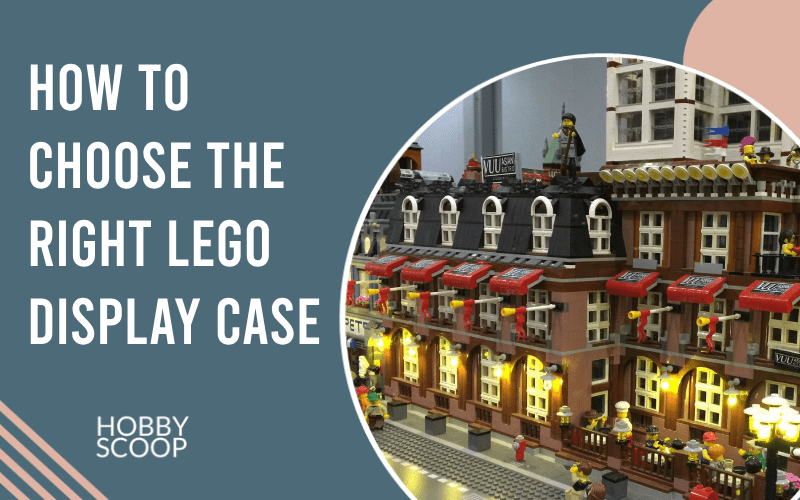
For more ideas on showcasing your completed builds, check out our guide on creative LEGO display ideas for any room.
The Verdict: Both Have Their Place
After building with both extensively, here’s my honest take:
LEGO remains the gold standard for building blocks. The precision, consistency, and overall quality justify the premium—especially for adult builders, display pieces, and long-term collections. If you’re building anything where quality matters, LEGO is worth the cost.
Mega Bloks is genuinely good for budget-conscious families, younger children, and fans of their exclusive licenses. The improvements in recent years have closed much of the quality gap for casual building purposes.
The right choice depends entirely on your situation. A family introducing toddlers to building might reasonably choose Mega Bloks for years before transitioning to LEGO. An adult collector should stick with LEGO from the start. Neither choice is wrong—they serve different needs at different price points.
Frequently Asked Questions
Are LEGO and Mega Bloks 100% compatible?
They’re mostly compatible for basic bricks, but connection strength varies. Specialized pieces (Technic, minifigures, specialty elements) generally don’t interchange well. For casual building, mixing works; for precise builds, stick to one brand. Note that Mega Bloks’ large toddler bricks are not compatible with LEGO Duplo.
Has Mega Bloks quality improved over the years?
Significantly. Mega Bloks from 2010 had notable quality issues. Current Mega Bloks/Mega Construx products are much better—especially since Mattel acquired the brand in 2014 and invested in manufacturing improvements. They still don’t match LEGO precision, but the gap has narrowed considerably.
Which brand is better for a 5-year-old?
Either works fine. Mega Bloks offers better value for children who are still developing motor skills and may lose pieces. LEGO offers more licensed themes kids tend to love (Star Wars, Harry Potter, City). Match the child’s interests more than the brand. For more age-specific recommendations, see our building toys by age guide.
Do Mega Bloks minifigures work with LEGO sets?
Mega figures have different proportions and articulated joints compared to LEGO’s blocky minifigures. They don’t fit LEGO accessories or vehicles well. The accessories (weapons, tools) have similar incompatibility issues. Keep figure systems separate.
Can I sell mixed LEGO/Mega Bloks lots?
You can, but mixed lots sell for much less than pure LEGO. Serious buyers avoid mixed lots entirely. If resale value matters, keep brands separate from the start.
Why is LEGO so much more expensive?
Manufacturing precision (2-micrometer tolerances require expensive equipment), premium ABS plastic, extensive quality control, higher wages in European manufacturing, and brand value all contribute. LEGO also invests heavily in design, safety testing, and the largest selection of licensed themes in the industry.
What’s the difference between Mega Bloks and Mega Construx?
Both are made by Mattel’s Mega brand. Mega Bloks are the larger-sized bricks designed for toddlers (ages 1-5). Mega Construx are standard-sized building sets for older kids and adults (ages 7+) that compete directly with LEGO. The Construx line features licensed themes like Pokémon, Halo, and Hot Wheels.
Are there any legal issues between LEGO and Mega Bloks?
LEGO filed multiple lawsuits against Mega Bloks over the use of similar stud-and-tube brick designs. In 2005, Canada’s Supreme Court ruled in Mega Bloks’ favor, and in 2008 the EU reached a similar decision. LEGO’s original brick design patent has expired, meaning other companies can legally produce compatible bricks.
Is Mega Bloks good enough for gifting?
Absolutely. Mega Bloks makes a great gift, especially for younger children, budget-conscious shoppers, or fans of Mega-exclusive franchises like Pokémon and Halo. The quality is solid for casual building and play. Just set expectations correctly—it’s not LEGO precision, but it’s genuine fun at a lower price point. If you’re shopping for a young child’s birthday, our birthday gift guide for 4-year-olds includes building toy recommendations at various budgets.
Which brand is better for schools and classrooms?
For preschool and kindergarten classrooms, Mega Bloks First Builders are popular due to their lower cost, larger size, and ease of use for small hands. For elementary-age STEM programs, LEGO is the preferred choice—particularly LEGO Education kits, which include curriculum-aligned activities. The higher precision supports more structured engineering challenges that older students benefit from.
Can adults enjoy Mega Bloks, or is it just for kids?
While LEGO dominates the adult builder market, Mega Construx has carved a respectable niche among adult collectors. The Halo, Pokémon, and Masters of the Universe lines attract dedicated fanbases. The articulated Mega figures are popular with collectors who appreciate posability over the classic LEGO minifigure style. That said, if you’re looking for the deepest adult building experience, LEGO’s Technic, Creator Expert, and Art lines remain unmatched.
Making Your Decision
Consider these questions:
- Who’s building? Adults and older kids benefit more from LEGO precision. Younger children won’t notice the difference.
- What’s the purpose? Display builds need LEGO quality. Play-focused building works fine with either.
- What licenses matter? If you want specific themes, availability may decide for you.
- What’s your budget? If cost is a significant factor, Mega Bloks delivers good value.
- Do you have existing collections? Match what you already own to avoid compatibility frustrations.
There’s no universally “right” answer. Both brands make building toys that bring joy to millions. Choose based on your specific needs rather than brand loyalty or internet arguments.
If you’re leaning toward LEGO and want help choosing your first set, check out our guide on why adults are embracing LEGO for recommendations at various price points. And once you start collecting, you’ll want to know how to display your builds properly.